 Österreich
 EU
EU
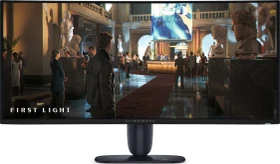
Dell Alienware 34 280Hz QD-OLED Gaming Monitor AW3426DW, 34"
210-BWFN
ab
€ 675,80





Fazit: Gut für Spiele und farbkritische Anwendungen, aber teuer

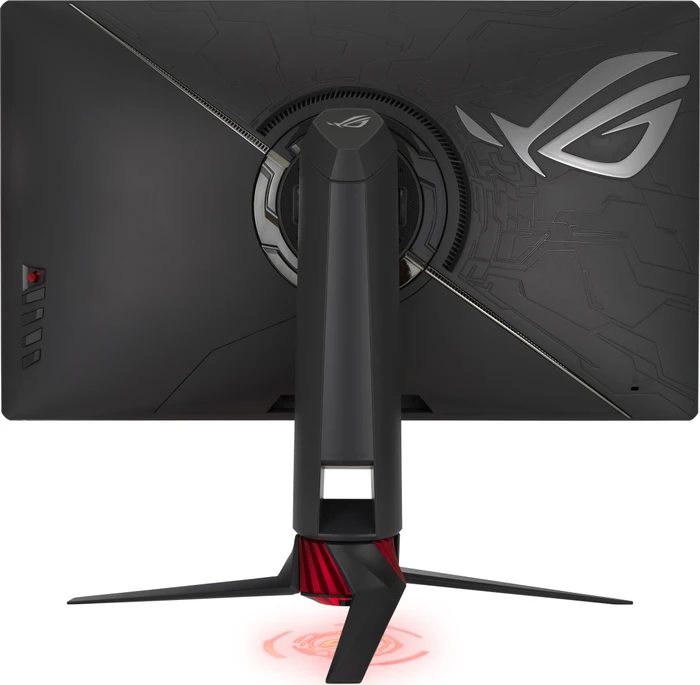
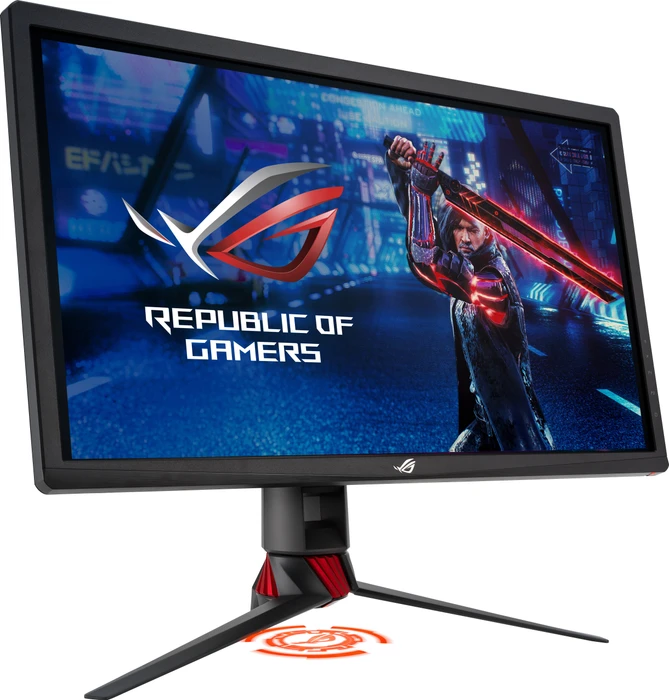
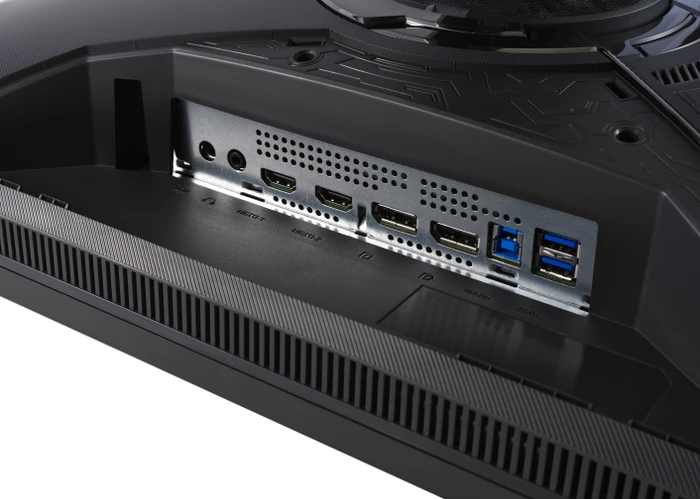
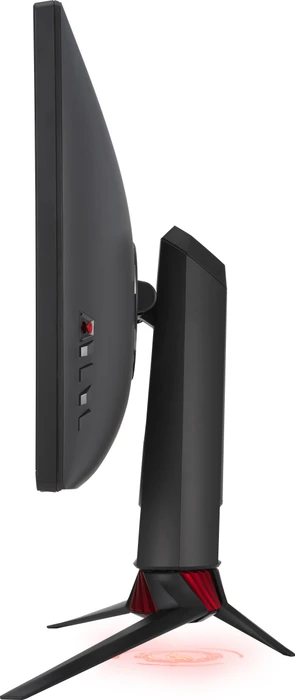
ASUS präsentiert mit dem XG27UQ aus der ROG-Strix-Modellreihe einen neuen 27 Zoll großen Gaming-Monitor mit 4K-Auflösung (3840 x 2160) und zahlreichen Funktionen speziell für Gamer. Der Bildschirm unterstützt Adaptive Sync und ist sowohl mit GeForce- als auch Radeon-Grafikkarten kompatibel. 144 Hz maximale Bildwiederholfrequenz und eine Reaktionszeit von nur 1 ms (MPRT) stehen ebenso auf der Habenseite wie eine fünfstufige Pixelbeschleunigung, Shadow Boost zur Verbesserung dunkler Szenen und zahlreiche, bereits vordefinierte, für Gamer optimierte Bildmodi. Zudem soll ELMB („Extreme Low Motion Blur“) gleichzeitig mit Adaptive Sync möglich sein.


The ASUS ROG Strix XG27UQ is a great monitor overall. It has a large 4k screen that makes it suitable for work, gaming, or media consumption. Gaming feels responsive due to its low input lag and high refresh rate, and it has a fast response time and a Black Frame Insertion feature to deliver clear images. It has an outstanding SDR color gamut for viewing and creating content, but the contrast ratio is low, resulting in blacks that look gray in the dark.
Our monitor conclusions are always a notch subjective, as the needs and requirements for any perform, workload, gaming, and even setting are different for each person. The XG27UQ is going to serve that premium gaming audience; it's fast agile and offers a lot of good stuff. I know some of you oppose DCS. However, I've now tested multiple monitors base on this technology, and admittedly I remain to be impressed. It works well. My argument of Ultra HD on a 27" screen stands though I mean, pixel density wise you'd probably be better off with a 2560x1440 screen and save yourself half the money on a monitor and graphics cards, as a gamer that is. As a creator, however, you probably would want to go with UHD. It's a personal choice of preference, though. Overall the screen offers excellent brightness for an SDR screen; Ultra HD, HDR, 144 Hz, and DCS are all a massive plus for the fast pacing gamers. Extras are lovely adaptive sync ranges (48-144Hz ) for GSYNC and FreeSYNC and proper panel uniformity and colors. Color accuracy wise we recommend the racing mod,e as it (at least for this sample) offered well-calibrated results. Pricing then, currently, you can purchase this unit for ~900 EUR/USD. And for that money, you can almost pick up two Quad HD 144Hz screens. These do not need DCS as they do not run into bandwidth issues. So yeah, a good innovative monitor, but as so often, it's just a hard to justify one? We have little to complain about it; you'll enjoy the rich image quality and fast refreshing screen. We respect that it has DSC as a premium feature; the HDR and price levels, however, are a bit lackluster. But once you start playing games on this screen, I guarantee it; my comments will fade away as fast as that refresh rate.

Overall the XG27UQ did feel like a trimmed down version of the PG27UQ which is reasonable to expect of course given they are both produced by Asus but with the move from the ROG Swift premium brand to the lower ROG Strix segment - and of course the significant difference in price. At the time of writing, the XG27UQ retails for £799.99 on special offer from Overclockers in the UK, while the PG27UQ is £1,100 more expensive at £1,879.99! You can check latest pricing in different regions using our direct links below too. That's a huge difference in cost to think about. Asus have cut back on some expensive features and some of the performance is a bit lower as a result. The most obvious difference is that the PG27UQ had a Native hardware G-sync module and a FALD HDR backlight. Those are missing here and the lack of any meaningful HDR experience on the XG27UQ is a shame. There was better response times and overdrive performance overall on the PG27UQ too, along with a more flexible and usable sRGB mode and even a low glow IPS panel. Asus did try to add a few new features to the XG27UQ though with it being newer to try and compensate. DSC is the main one and we expect that to work well and avoid the colour sacrifice concerns that the PG27UQ presented. That's a fairly big improvement to many people but do keep in mind you need a graphics card that supports it too. They even tried to add an ELMB blue reduction mode but that doesn't work well at all sadly. We felt that overall the XG27UQ was a good screen. It has a few issues but it is certainly an attractive and far more affordable option if you are looking for a 4K gaming display.

Alle Angaben ohne Gewähr. Die gelisteten Angebote sind keine verbindlichen Werbeaussagen der Anbieter.
* Preise in Euro inkl. MwSt. zzgl. Versandkosten. Bei der Auswahl von "inkl. Versand" beinhaltet der dargestellte Preis die Kosten für den Versand. Die nicht angeführten Kosten in andere Länder entnimm bitte der Website des Händlers. Bei Sortierung nach einer anderen als der Landeswährung des Händlers basiert die Währungsumrechnung auf einem von uns ermittelten Tageskurs, der womöglich nicht mit dem im Shop angegebenen Preis exakt übereinstimmt. Bitte bedenke außerdem, dass die angeführten Preise periodisch erzeugte Momentaufnahmen darstellen und technisch bedingt teilweise veraltet sein können. Insbesondere sind Preiserhöhungen zwischen dem Zeitpunkt der Preisübernahme durch uns und dem späteren Besuch dieser Website möglich. Händler haben keine Möglichkeit die Darstellung der Preise direkt zu beeinflussen und sofortige Änderungen auf unserer Seite zu veranlassen. Der maßgebliche Preis für den Verkauf durch den Händler ist der tatsächliche Preis des Produkts, der zum Zeitpunkt des Kaufs auf der Website des Händlers steht.