 Österreich
 EU
EU

ASUS ROG Astral GeForce RTX 5090 OC, ROG-ASTRAL-RTX5090-O32G-GAMING, 32GB GDDR7, 2x HDMI, 3x DP
90YV0LW0-M0NA00
ab
€ 6790,00
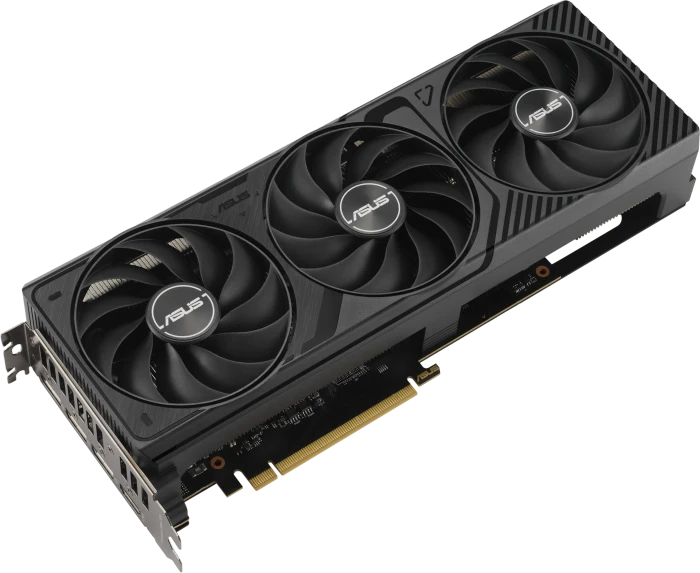
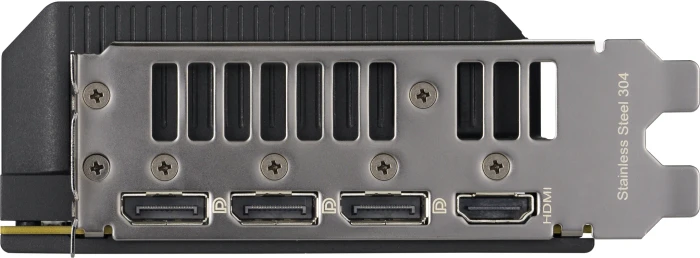
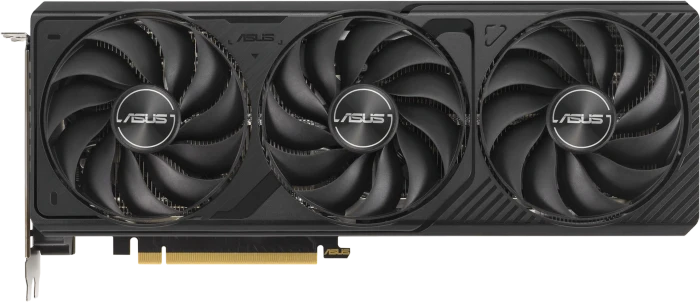
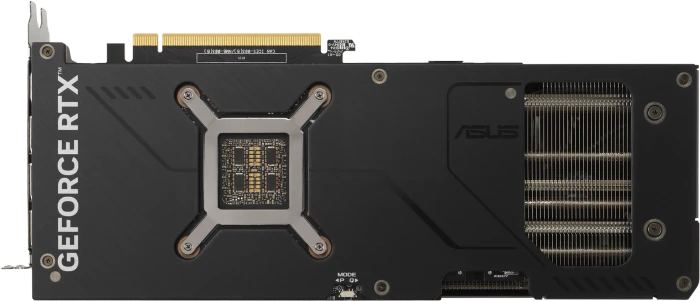

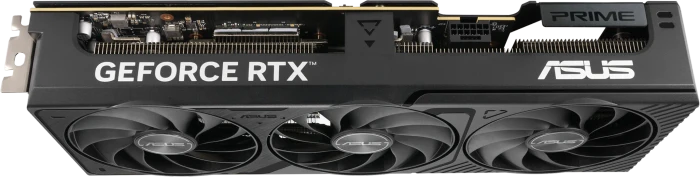
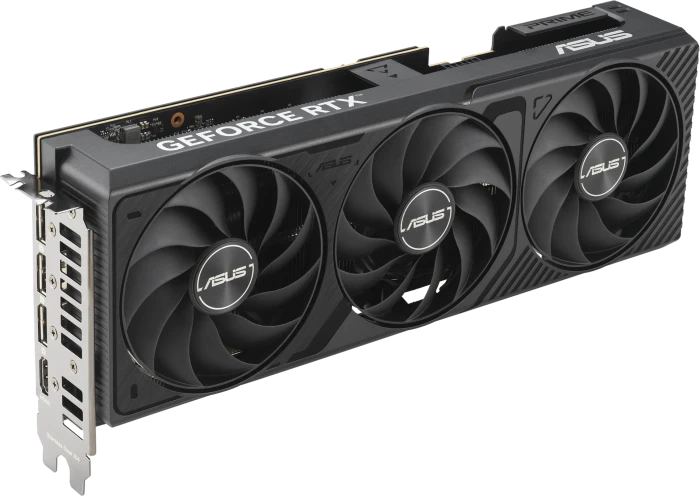
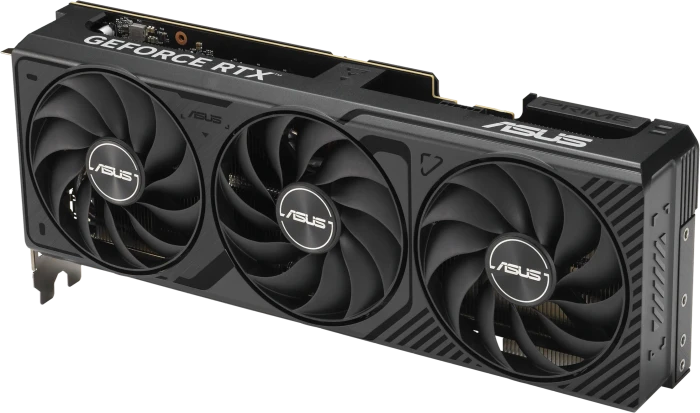
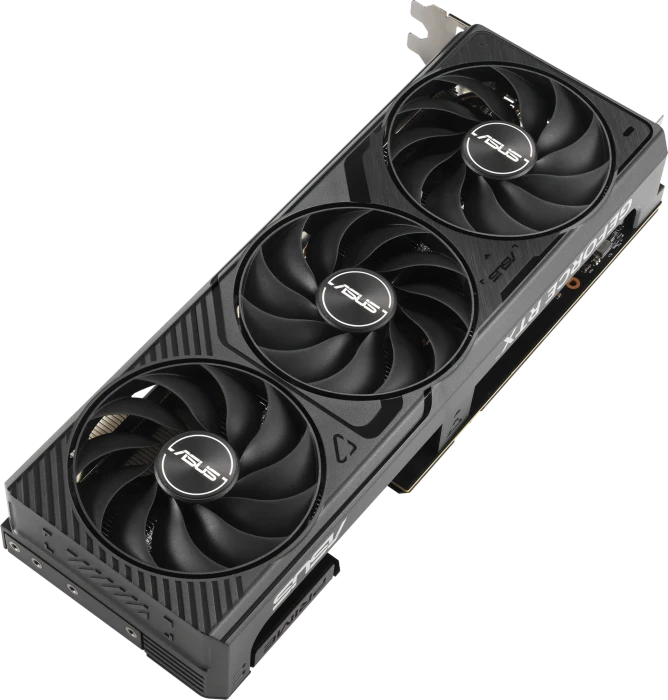
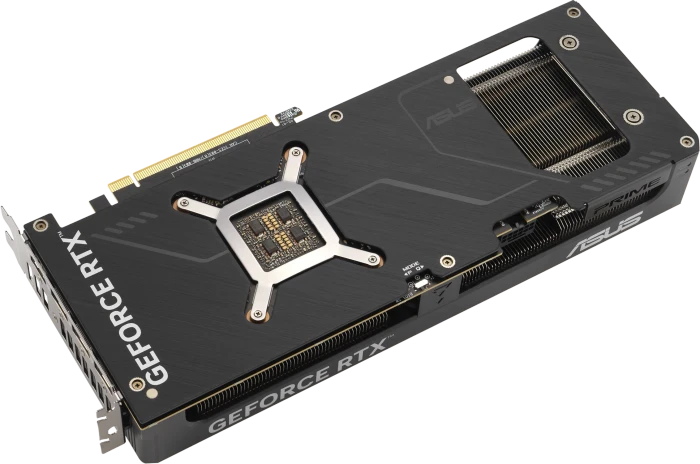
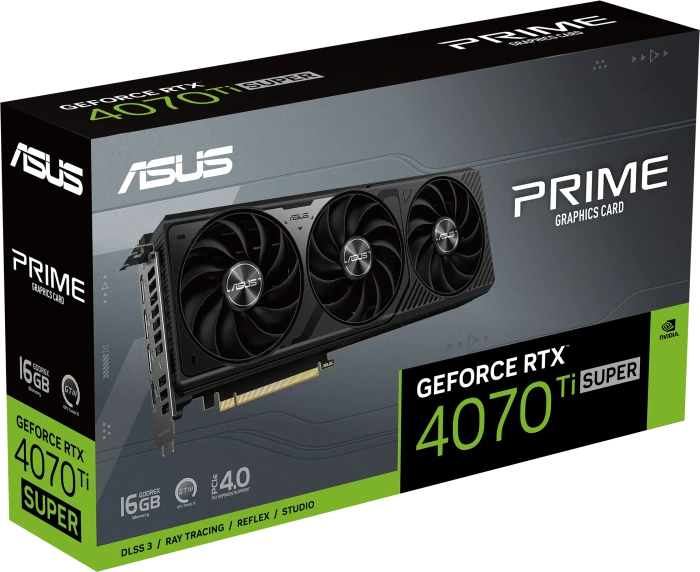
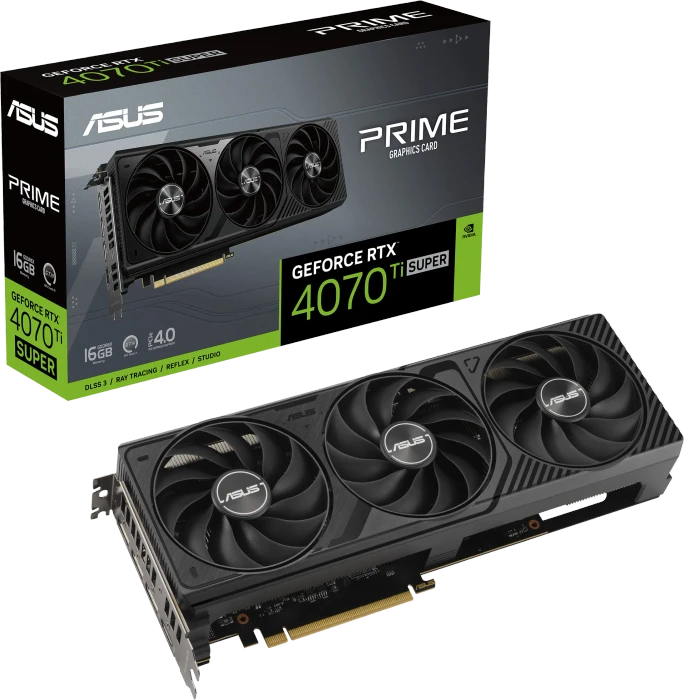



Die RTX 4070 Ti Super verdrängt die ursprüngliche RTX 4070 Ti zum gleichen Preis von 799 U$-Dollar. Anders als die RTX 4070 Super, die einen erheblichen Zuwachs von 21 % an Shadern gegenüber der RTX 4070 aufweist, bietet die RTX 4070 Ti Super nur 10 % mehr CUDA-Kerne als die RTX 4070 Ti, was in realen Spielszenarien nicht immer einen spürbaren Gewinn bedeutet. Die Umstellung auf AD103-Silizium bedeutet jedoch, dass die RTX 4070 Ti Super nun eine Art "kompletter Mittelklasse-GPU" ist, die sich die Bank mit Geräten wie der RTX 4080 und der RTX 4080 Super teilt. Ein weiterer Vorteil ist ein schnelleres 256-Bit-Speicher-Subsystem und 16 GB GDDR6X VRAM, den der AD104 einfach nicht unterstützen kann. Das Asus TUF Gaming GeForce RTX 4070 Ti Super bietet seinerseits eine hervorragende Verarbeitungsqualität, zusätzliche Ports und eine hervorragende Leistung basierend auf den Referenzspezifikationen. Obwohl es auch eine OC-SKU gibt, bietet die getestete Basis-SKU für 799 US-Dollar alles, was Sie brauchen, um das Beste aus dem neuesten AD103-Einsteiger herauszuholen. Die neue AD103-basierte Asus TUF Gaming GeForce RTX 4070 Ti Super bietet 1.440p-Ultra-High-Frame-Rate-Gaming mit Elan, aber auch anständige 4K-Ultra- und Compute-Fähigkeiten und ist daher für den Preis von 799 US-Dollar eine ernsthafte Überlegung wert. Asus hat die TUF Gaming GeForce RTX 4070 Ti Super mit einem robusten Kühlsystem ausgestattet. Obwohl die Oberflächentemperaturen etwas höher zu sein scheinen, ermöglicht die Dreifach-Lüfter-Kühlung mit sechs Heatpipes der AD103 GPU eine Leistung ohne Throttling-Probleme und mit einem sehr erträglichen Lüftergeräuschpegel. Die RTX 4070 Ti Super wirkt Wunder beim 1.440p-Ultra-Gaming, aber sie ist offen gesagt ein Overkill für diese Auflösung. Wenn Sie in erster Linie ein 1.440p-Gamer sind, der nicht viel mit Rechenaufgaben zu tun hat, können Sie gut 200 US-Dollar sparen, wenn Sie sich stattdessen für die RTX 4070 Super entscheiden. AMD Radeon RX 7900 XT Karten wie die XFX Speedster MERC310 (740 U$-Dollar auf Amazon) oder die Asus TUF Gaming RX 7900 XT OC(880 U$-Dollar auf Amazon) sind ebenfalls brauchbare Optionen, vor allem, wenn Sie nur auf Rasterleistung Wert legen und mit FSR Upscaling zufrieden sind. Davon abgesehen bietet die TUF Gaming RTX 4070 Ti Super aufgrund ihrer überlegenen Raytracing-Fähigkeiten und der Unterstützung für DLSS 3 Frame Generation und DLSS 3.5 Ray Reconstruction ein besseres Gesamtangebot. Interessant, wenn man bedenkt, dass die RTX 3090 Tidie diese Karte deutlich verdrängt, seinerzeit das 2,5-fache kostete.


At this point, NVIDIA’s blueprint with the GeForce RTX 40 SUPER series is clear – boost performance at similar (or lower) introductory prices, to enhance the overall value of the line-up. The ASUS TUF GeForce RTX 4070 Ti SUPER arrives at the same $799 price point of its predecessor, but offers more cores, more video memory, and ultimately more performance across every workload. The ASUS TUF GeForce RTX 4070 Ti SUPER can’t quite catch the GeForce RTX 4080, bit it comes close in many tests, for a couple of hundred bucks less. With recent price cuts, the Radeon RX 7900 XT is being offered for about $710. Looking back through the numbers, that price adjustment is just about in-line with its performance relative to the ASUS TUF GeForce RTX 4070 Ti SUPER if you factor in ray tracing. In games that don’t make extensive use of ray tracing and mostly rely on traditional rasterization techniques, the Radeon RX 7900 XT may pull ahead of the RTX 4070 Ti SUPER. Today’s GPUs are about much more than gaming, however. Looking at the content creation, rendering, and other compute tests and the ASUS TUF GeForce RTX 4070 Ti SUPER outpaces the Radeons.
RTX 4070 Ti SUPER has 10% more CUDA cores and Nvidia has also increased the video memory up from 12 GB to 16 GB which should help at high resolutions and help keep the card relevant in the future for longer. In my testing, this translated to a 6-10% increase in performance depending on the testing. In game at 1440p it was 5.5% faster than the overclocked TUF Gaming RTX 4070 Ti that I tested previously but at 4K this ramped up to 10% and I saw similar numbers in synthetic benchmarks like Time Spy and Time Spy Extreme which it improved 6.8% on Time Spy and 9.1% on Time Spy Extreme. This helped it catch up with AMDs RX 7900 XT, especially at 4k but the 7900 XT was on average still 3 FPS faster at 1440p. Where the 7900 XT didn’t keep up was with ray tracing performance and once you figure in DLSS which the games you are playing support it is a huge improvement. The performance improvement also helped with overall efficiency. While it has the same TGP our TUF Gaming RTX 4070 Ti SUPER did pull a hair more than our overclocked TUF Gaming RTX 4070 Ti did for power, but with the performance improvement its already great power to performance was even better. The cooler for the TUF Gaming RTX 4070 Ti SUPER ran surprisingly quiet in my testing as well and while I wouldn’t say the cooling performance was the best it did perform well keeping the card more than cool enough which when combined with how quiet it was would make me happy.
ASUS GeForce RTX 4070 Ti Super TUF is the company's base model for the RTX 4070 Ti Super—there is no Dual. In terms of clocks the card runs at NVIDIA reference speeds of 2610 MHz. Averaged over the 25 games in our test suite, at 1440p, we find the card only 7% faster than RTX 4070 Ti non-Super, which is much less than expected. At 4K, the gains are slightly bigger with 10%, but it's definitely not the 15%+ jump that we got with the RTX 4070 Super. Still, these gains help make up ground against AMD's RX 7900 XT, which still remains 3% faster in a pure raster scenario. Compared to last generation's flagship, the RTX 3090 Ti, the new Super card can beat it by a small margin of 4%, which is still impressive. You're basically getting last gen's x90 Ti performance with the x70 Ti Super. Compared to RTX 4070 Super, the performance uplift is 14% and the new card is 33% faster than the RTX 4070 non-Ti non-Super, too. The fastest card from Team Red, the Radeon RX 7900 XTX, is still 17% ahead, 21% at 4K—RTX 4080 Super is designed to rival this card.

For the discerning gamer who didn't rush out to grab NVIDIA's RTX 40-series GPUs over the last few years, the company's new Super cards are genuinely compelling. They all deliver far more power than before — so much so that the $599 RTX 4070 Super is actually a decent 4K gaming card. But the $999 RTX 4080 Super is also a solid deal for power-hungry gamers, since it's $200 less than the original 4080. Between those two cards, NVIDIA now has desirable upgrade options for mid-range and high-end gamers.
Alle Angaben ohne Gewähr. Die gelisteten Angebote sind keine verbindlichen Werbeaussagen der Anbieter.
* Preise in Euro inkl. MwSt. zzgl. Versandkosten. Bei der Auswahl von "inkl. Versand" beinhaltet der dargestellte Preis die Kosten für den Versand. Die nicht angeführten Kosten in andere Länder entnimm bitte der Website des Händlers. Bei Sortierung nach einer anderen als der Landeswährung des Händlers basiert die Währungsumrechnung auf einem von uns ermittelten Tageskurs, der womöglich nicht mit dem im Shop angegebenen Preis exakt übereinstimmt. Bitte bedenke außerdem, dass die angeführten Preise periodisch erzeugte Momentaufnahmen darstellen und technisch bedingt teilweise veraltet sein können. Insbesondere sind Preiserhöhungen zwischen dem Zeitpunkt der Preisübernahme durch uns und dem späteren Besuch dieser Website möglich. Händler haben keine Möglichkeit, die Darstellung der Preise direkt zu beeinflussen und sofortige Änderungen auf unserer Seite zu veranlassen. Der maßgebliche Preis für den Verkauf durch den Händler ist der tatsächliche Preis des Produkts, der zum Zeitpunkt des Kaufs auf der Website des Händlers steht.


